This page contains affiliate links. We may earn a commission at no extra cost to you.
If you have already sat through an extension appointment and dreaded the refill, the choice between lash extensions vs lash serum comes down to upkeep. As of this month, a lower-maintenance route can give fuller-looking lashes after 40, though it works more slowly.
Key Takeaways:
- Lash extensions give an instant change in one appointment, while a conditioning serum like Miracle Lash builds slowly, and verified buyers describe results across a range from noticeably fuller after a month to slight or none.
- Extensions add weight and adhesive to each natural lash, and the strain falls hardest on lashes that are already thin, while a serum adds no weight and only needs a bedtime stroke, with a 5 mL tube reported to last three months or more.
- Miracle Lash is $79 per tube, and its 365-day vendor guarantee exists because many buyers find its results subtle, so the honest comparison is slow and gentle against fast and high-upkeep.
Lash serum or lash extensions: how do the two approaches differ?
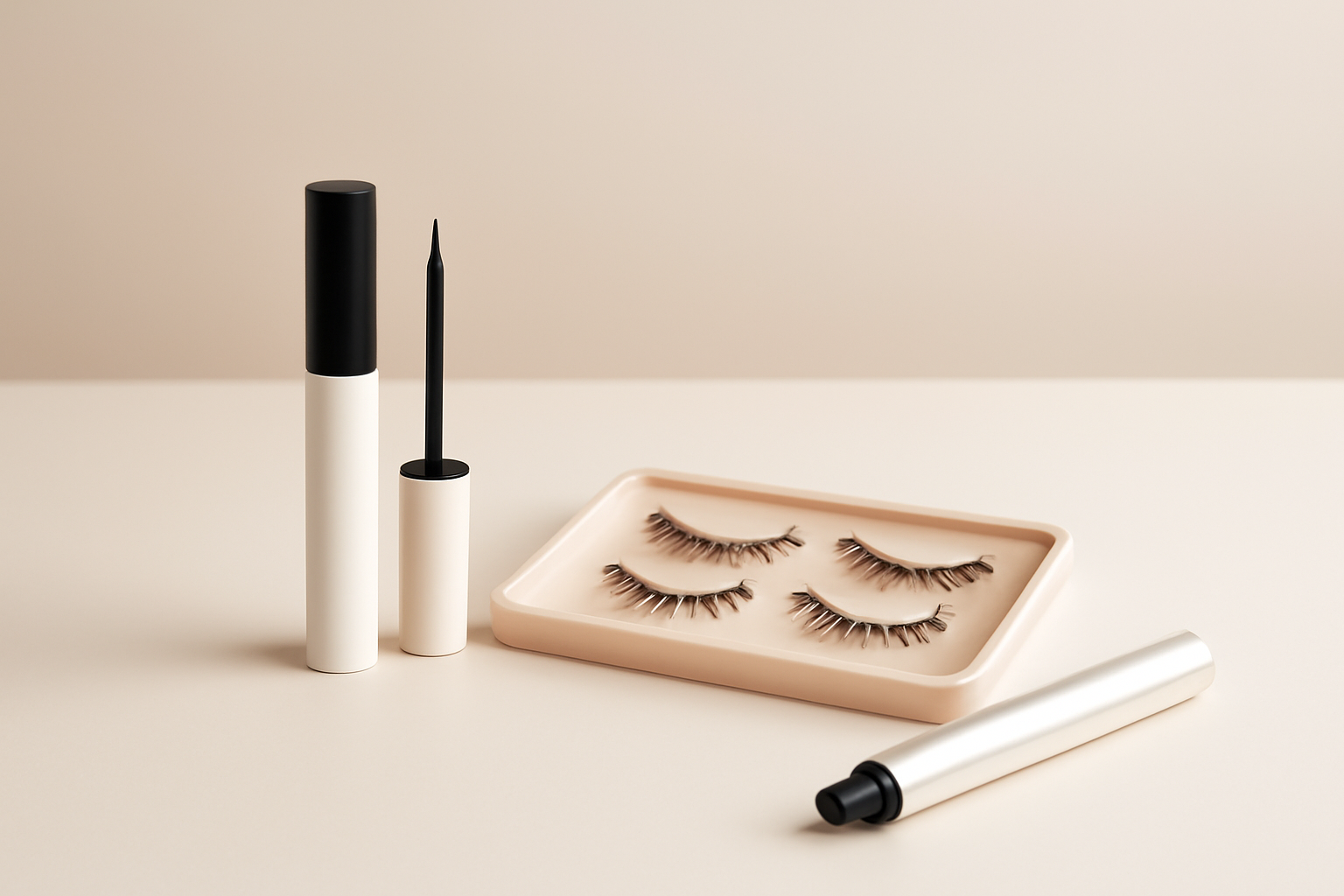
Lash extensions are synthetic lashes that a technician glues onto individual natural lashes. This means they change how your lashes look the same day. An eyelash serum is a product you apply along the lash line each night to improve the condition of the lashes you already have, and it works over weeks or months. If you are weighing up the Miracle Lash, read the verdict first.
Think of extensions as wearing a wig and a serum as a conditioning routine for your own hair. One changes the look at once. The other works on what grows from you.
Miracle Lash is the serum example here: a clear, prostaglandin-free peptide formula in a 5 mL pen, applied once at bedtime. Five differences matter for thinning lashes: weight and adhesive, upkeep, speed, the effect on thin lashes, and whether you can combine the two. So which should you pick? That depends on whether you want speed or low maintenance.
Do lash extensions damage natural lashes, and are they bad for thinning lashes?
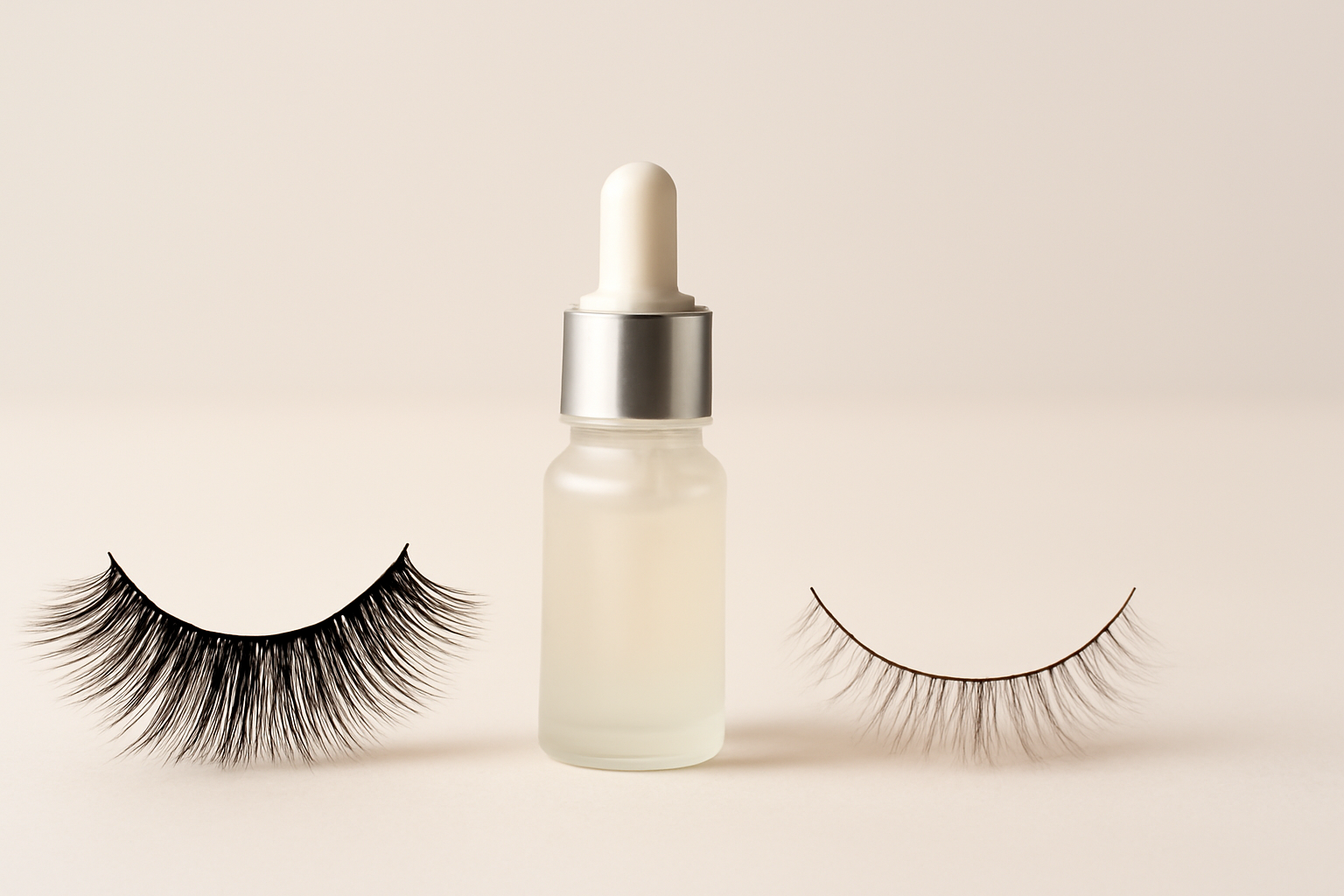
Extensions are not automatically harmful, but they add weight and adhesive to each natural lash, and thin or fragile lashes have less margin for that load. Each extension is glued to one natural lash, so that lash carries extra weight all day. Picking, rubbing or removing a set badly can pull natural lashes out early, which adds to lash breakage and shedding.
A common assumption is that damage only comes from cheap or poorly applied sets. The reality is that even a skilled application adds weight, and that matters more when lashes are already sparse after 40. A good technician lowers the risk by applying and removing the set carefully, and a good one will tell you whether your lashes can carry a set.
If you have had a set removed, did your lashes look sparser afterward? That is worth noting before you book the next one. I could not find a reliable statistic on extension damage rates, so the argument here rests on the mechanism: one extension glued to one natural lash, adding weight and adhesive.
This does not mean extensions cause permanent loss, and a serum will not repair damage. If your eyes feel sore, look red or swell after a set, see an eye doctor.
Lash extensions vs lash serum: the 5 differences side by side
Extensions deliver an instant change with high upkeep, while a conditioning serum delivers a gradual change with low upkeep. The table below lines up the five differences, using Miracle Lash as the serum example.
| Feature | Lash extensions | Eyelash serum | Miracle Lash |
|---|---|---|---|
| Adhesive and weight on natural lashes | Adds glue and weight to each natural lash | Adds none; sits on the lash as a thin dry film | Adds none; dries in 2 to 3 minutes |
| Upkeep time and cost | Periodic refills and professional removal | A bedtime stroke, no appointments | A tube reported to last three months or more |
| Instant vs gradual change | Look changes the same day | Gradual, often subtle over weeks or months | Buyers report a range, from fuller in a month to slight change |
| Effect on already thin lashes | Loads lashes that have little margin | Conditions without load, though results vary | Gentle by buyer accounts, with modest results for some |
| Can you combine them? | Possible, with caveats | Best used between sets | Ask your technician first |
Miracle Lash costs $79 per tube, and the vendor states a 365-day money-back guarantee, which matters for a product that works slowly.
One practical note on mascara: a serum needs no daily mascara routine to work, while extensions can limit mascara use because oils and mascara may affect the adhesive. Treat that as a general caution and confirm it with your technician. If you have sensitive eyes, weigh that too. Anything near the lash line can sting if it reaches the eye. For the longer verdict on this serum, see the miracle lash reviews.
What are the lower-maintenance alternatives to lash extensions for mature women?
Lash extension alternatives give fuller-looking lashes with less upkeep and less load on natural lashes. Here are four, with the main drawback of each:
- A conditioning serum such as Miracle Lash. This prostaglandin-free peptide formula is gentle and takes a minute at bedtime. The drawback is pace: results are slow and subtle for many buyers. On Amazon it holds 3.8 out of 5 from 56 ratings, and several buyers call it one of the gentlest serums they have used.
- A lash perm or lift. It curls your own lashes for a more open look, but it adds no thickness and involves chemicals near the eye. The lash perm vs lash serum question gets its own comparison.
- Mascara alone. The change is instant and removable. The cost is daily application and gentle removal, since rough rubbing can stress thin lashes.
- A prostaglandin-based serum. This works differently from a peptide serum, so the sibling comparisons cover it in detail.
Perms and mascara have no figures here, so I describe them in plain terms. If you have sensitive eyes, be careful with anything near the lash line, and see an eye doctor for irritation.
Can you combine lash extensions and a lash serum?
A lash serum can be used between or after extension sets, while oils and product near the lash line may affect extension adhesive. In principle you could use a serum while wearing extensions. I found no published evidence on how any specific serum interacts with extension glue, so ask your technician before applying anything along the lash line.
The practical logic is simple. A serum goes on at the base of the lashes, and that is where the adhesive sits. Many people use a serum between sets as a rest period instead of layering the two. If you are tired of upkeep, that routine is easy to try: stop booking fills, condition for a while, and judge the result.
Be clear about what a serum does not do. It does not repair damage or regrow lashes, and results are gradual. Miracle Lash goes on once at bedtime and dries in 2 to 3 minutes. The 365-day vendor guarantee lets you try it without committing the full $79 for good, and the Amazon listing separately offers a 30-day refund or replacement.
Frequently Asked Questions
Will my natural lashes look thinner after I remove lash extensions?
They can look sparser for a while, because extensions add weight and adhesive to each natural lash and make the underlying lashes harder to judge. Rough removal or picking at a set can pull natural lashes out early, so have extensions taken off by a technician. If your lashes look much thinner or your eyes feel sore after removal, see an eye doctor.
How long does each option take to show a visible difference?
Extensions change how your lashes look the same day, usually within 1.5 to 2 hours in the chair. A conditioning serum builds slowly, and buyer reports describe fuller lashes after about a month, with some seeing only slight change. Expect weeks of consistent nightly use before judging a serum.
Is a prostaglandin-free serum a better choice if my eyes are sensitive?
Often, yes. Prostaglandin-based serums can cause redness, itching or darker lid skin in some users, while peptide-based formulas skip that ingredient class. Gentler does not mean zero risk, though. Any serum can sting if it reaches the eye, so patch test first and stop if irritation appears.
How do the ongoing costs of lash extensions and lash serums compare?
Extensions need a fill roughly every 2 to 3 weeks, so costs repeat all year. A serum is a single purchase that can last three months or more, since each nightly application uses very little product. Even a pricier tube usually costs less per month than regular salon fills.