This page contains affiliate links. We may earn a commission at no extra cost to you.
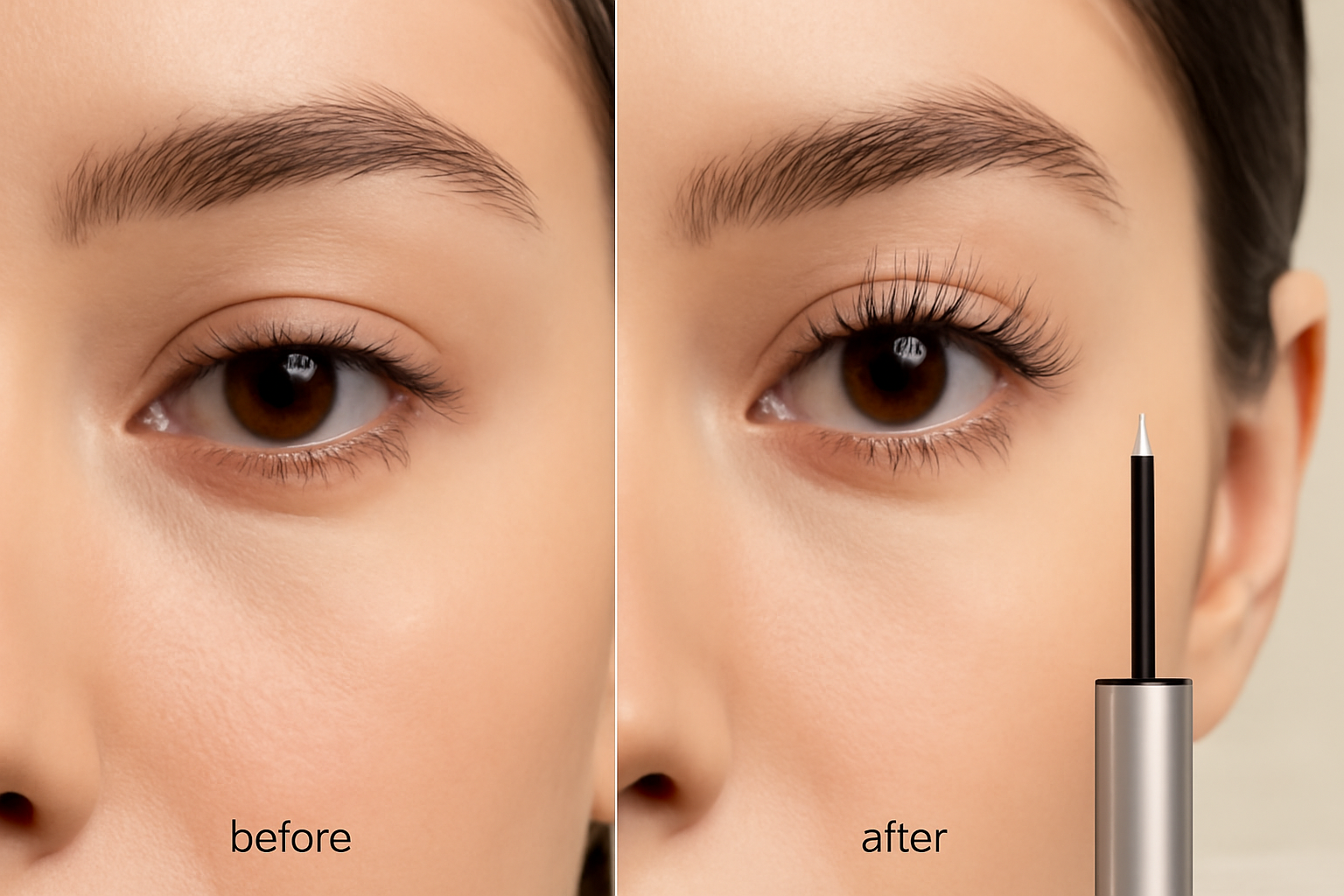
Photos of lashes before and after a serum can make any bottle look like a miracle. As of this month, Miracle Lash costs $79, so knowing what honest results look like, and how to photograph your own, protects your money.
Key Takeaways:
- Verified Amazon buyers rate Miracle Lash 3.8 out of 5 from 56 ratings, and 47% gave five stars, so a large share saw a clear change while 15% gave one star. Expect a spread of outcomes, not a guarantee.
- A fair comparison needs 4 fixed conditions in every photo: the same daylight, the same angle, bare lashes with no mascara, and the same day of the week. Without them, the difference you see may come from the camera, not the serum.
- A 12-week photo log of 3 checkpoints (a starting photo, a midpoint photo, and a final photo) shows slow, gradual change that daily mirror checks miss.
If you are comparing options in the prostaglandin free lash serum category, photos are usually the first thing you see and the least reliable. Our Miracle Lash reviews page covers what buyers reported in full. This piece focuses on how to read, and make, the images. If you are weighing up the Miracle Lash, read the verdict first.
What do lash serum before and after results actually look like?
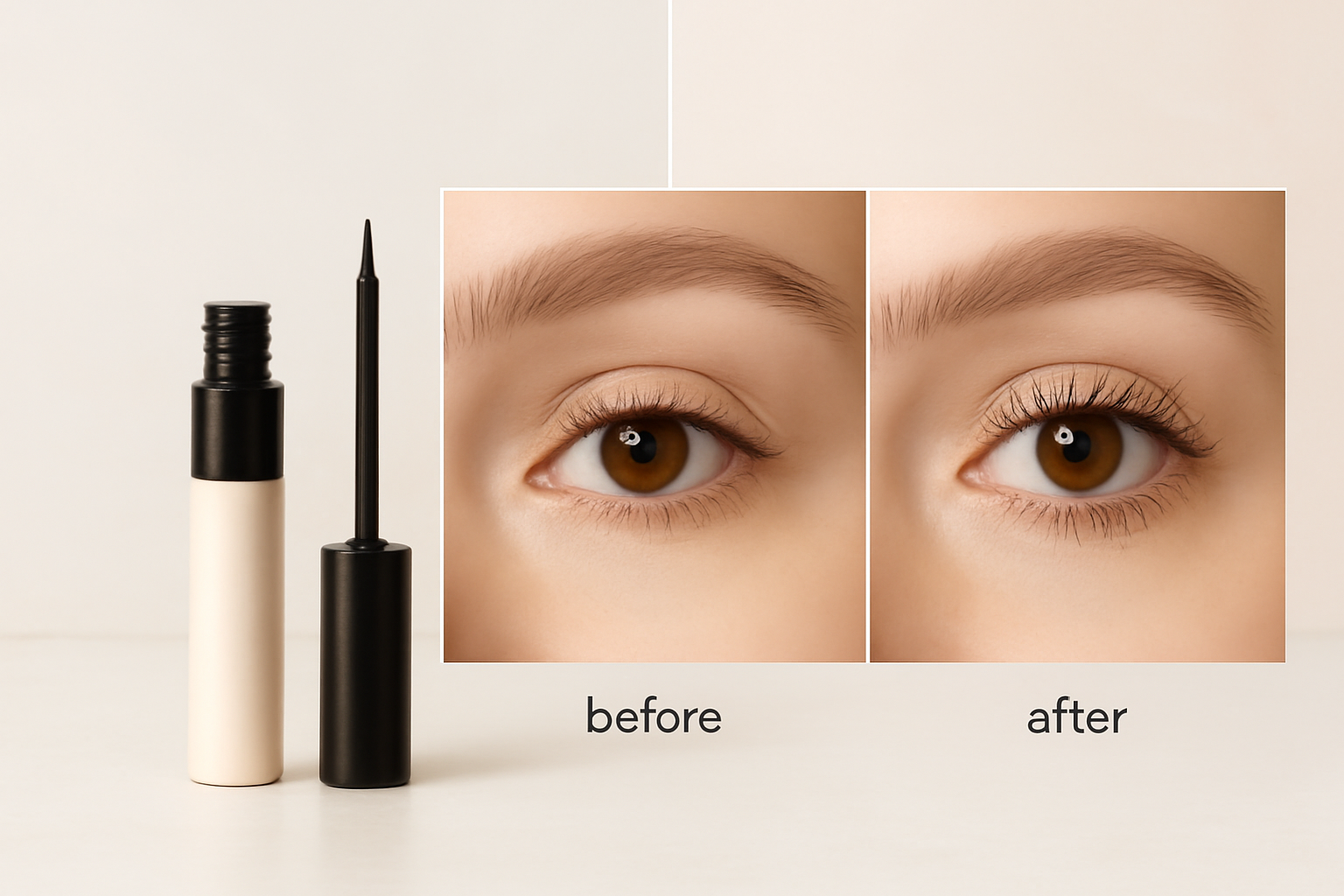
A lash serum before and after comparison is a pair of photos of the same lashes, taken under the same conditions, at the start and again after weeks of use. This means the only thing that should differ between the two images is the lashes themselves. Think of it like comparing a houseplant on the same windowsill each month: the light and the angle stay put, so the growth is the only variable.
For a conditioning peptide serum such as Miracle Lash, the realistic change is modest. Lashes may look somewhat fuller, a little longer, and slightly darker or less brittle. That is a very different picture from the dramatic transformations on some sales pages.
There are three visible dimensions to watch: length, fullness, and darkness. Buyers most often describe fullness and a thicker look, with length coming second. Darkness is mentioned least.
Verified buyer feedback shows the range. Miracle Lash holds 3.8 out of 5 from 56 Amazon ratings, with 47% five-star and 19% four-star, so roughly two thirds of raters were positive. Some describe noticeably fuller, thicker lashes after a month. Others saw a slight difference or none.
The listed active ingredient is Myristoyl Pentapeptide-17. Conditioning serums aim for gradual change in how lashes look and feel, while prescription-style growth serums are marketed for faster, more obvious change. So what do lash serum results look like in daily life? Most are subtle at arm’s length and clearer up close.
What can a conditioning serum change, and what can’t it?
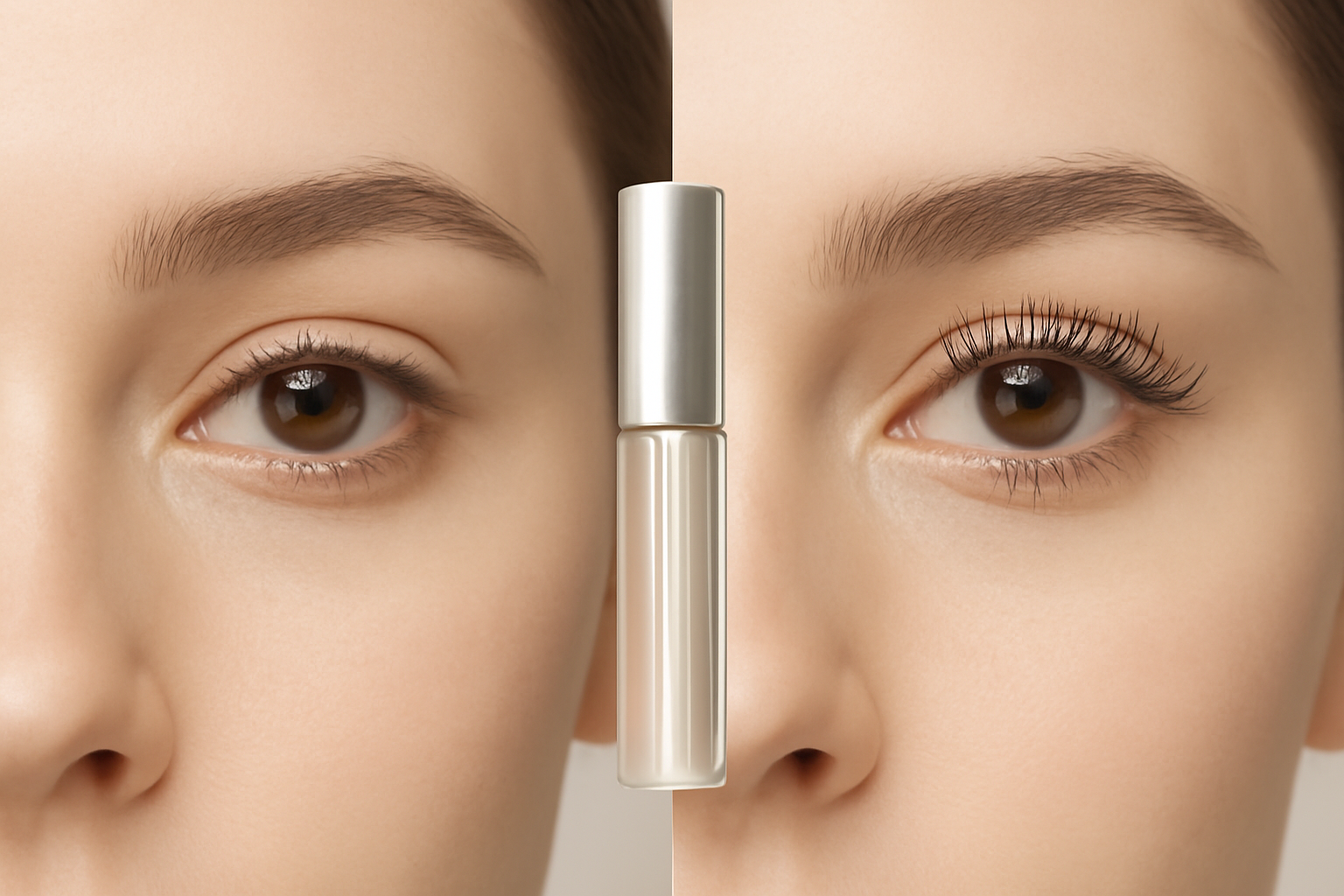
A conditioning serum can improve the look of lashes you already have, but it cannot create lashes where follicles are inactive. That ceiling matters, because it sets what a fair result looks like before you take a single photo.
The vendor has not published tested measurements for how much length or fullness Miracle Lash adds. So the table below rests on buyer-reported ranges and general ingredient knowledge, not on a lab figure.
| Visual change | What a prostaglandin-free conditioning serum like Miracle Lash can reasonably do | What it cannot do |
|---|---|---|
| Length | May add a small amount of visible length over weeks, per some buyers | Match the large length gains linked to prostaglandin analogues such as bimatoprost |
| Fullness | Lashes can look thicker and more filled in, which is the change buyers mention most | Add density where follicles are inactive |
| Darkness | May make lashes look slightly deeper in tone | Replace the effect of tinting or mascara |
| Lash condition and breakage | Conditioning formulas aim to reduce the look of brittleness and support lashes while you use them | Treat a medical cause of lash loss |
| Gaps and sparse patches | Can make existing lashes around a gap look fuller | Regrow lashes in bare patches |
| Curl or lift | May leave lashes looking a little less limp | Replace a curler or a lash lift |
Bimatoprost is the benchmark here only because it explains why some photos online look so dramatic. How the two approaches differ in mechanism belongs to a separate comparison.
Setting this ceiling before you start is what keeps a subtle result from feeling like a failure.
How do you take lash serum before and after photos that are fair?
Consistent lighting, angle, and bare lashes make comparison photos that reflect the serum rather than the camera. A common assumption is that checking the mirror each morning is enough. The reality is that daily looks hide slow change, because you see your lashes every day. Photos let you compare weeks apart.
Here is a sequence you can follow tonight:
- Remove all mascara, liner, and any lash product, and photograph bare lashes.
- Stand facing the same window at the same time of day, and avoid overhead bulbs and flash.
- Hold the phone at the same distance and angle each time, for example at eye level, and take one straight-on shot and one side profile.
- Take one shot with your eyes open, looking slightly down so the lash length shows, and one with your eyes closed so the lash line shows.
- Keep the same phone, the same zoom, and no filters or beauty modes.
- Save each image with the date and the day count in the file name.
Tie the habit to your bedtime use. Photograph the evening before you start, in the same spot where you will use the pen. Then repeat on the same day of the week at each checkpoint, which gives you four fixed conditions: same light, same angle, bare lashes, same day.
For the application routine itself, see the separate guide on how to apply Miracle Lash. This section only covers the camera.
What does lash serum progress look like week by week?
A 12-week photo log shows gradual change across the lash growth cycle that daily checks miss. Lashes grow in a cycle, so new lashes take time to arrive and old ones shed on their own schedule. That is why the early weeks can look unchanged.
Treat the table below as a tracking guide, not a promise. Miracle Lash buyers report a range, from visibly fuller lashes within a month to a slight change, so this is a method for checking your own result rather than a forecast.
| Checkpoint | What to photograph | What you might and might not notice |
|---|---|---|
| Week 0 | Baseline shots: eyes open, eyes closed, side profile, bare lashes | Nothing yet. This is your reference for every later comparison |
| Week 4 | Same shots, same light, same day of the week | Small or no visible change for many users, while a few report fuller lashes |
| Week 8 | Same shots, then lay them beside the baseline | Compare against the baseline photos, not your memory of how lashes looked |
| Week 12 | Same shots, final set | Judge the overall change against week 0 and decide whether it justifies the price |
Add a short note to your log at each checkpoint. Record any stinging or redness along with the photos. If irritation persists, stop using the serum and ask an eye doctor.
This section keeps timeline detail light on purpose. A separate article walks through the full 30, 60 and 90 day timeline, and another covers what to do when results stall.
Why do your results differ from someone else’s lash serum photos?
Starting lash density and growth-cycle stage shape how visible any serum result looks. Two people can use the same serum for the same number of weeks and photograph very differently.
Sparse lashes leave more room to look fuller, but they also leave fewer lashes to work with. Each lash sits at a different point in its growth cycle, so some are ready to lengthen while others are close to shedding. Age and past damage from extensions, curlers, or harsh removers play a part too. So does how consistently you apply the product at bedtime. If thinning is a worry in itself, why do eyelashes thin with age explains the background.
A common assumption is that a friend’s dramatic photo predicts your own. It does not, because you do not know her starting point, her lighting, or whether she wore mascara. Your own baseline photo is the only fair benchmark.
The Amazon feedback shows this in practice. One long-term buyer has repurchased for over a year, while other buyers saw slight or no difference. The product is the same, and the outcomes are not.
Track the downsides as carefully as the gains. Two buyers reported stinging or irritation when the serum reached the eye, and one reported a stye. Stopping use if the area looks irritated is part of tracking.
Which lash serum before and after images should you not trust?
Edited or mismatched before and after images exaggerate the real effect of a lash serum. Hold every image you see, from any brand, up against this checklist:
- Different lighting or color temperature between the two photos, which can make lashes look darker or thicker on its own.
- Mascara or extensions in one photo and bare lashes in the other, which is the most common trick.
- A different angle, distance, or eye shape, since a closer shot or a downward gaze changes how long lashes appear.
- Heavy filters, smoothing, or cropped lash lines, which hide the very detail you want to judge.
- A very short time gap paired with a dramatic change, which should make you ask what else changed.
- No stated timeframe or product stage, so you cannot tell whether the photo shows two weeks or two years.
- Stock-looking models with no way to verify them, which gives you nothing to check.
- Testimonial collages that the vendor controls, as opposed to verified buyer reviews on a retail site.
This site holds Miracle Lash to the same standard. It relies on verified buyer feedback and does not cite vendor testimonials or untested percentage claims.
One more note. Dramatic images sometimes come from prostaglandin-based products, so a striking photo may not represent what a prostaglandin-free serum would do. If you want the full picture of that trade-off, the guide to lash serum for mature lashes is a good next read, and how long does Miracle Lash last covers cost per month. Some buyers also look at vitamin B5 for eyelashes, one of the listed ingredients, to understand what the formula contains.
Frequently Asked Questions
How long before a lash serum shows a visible difference?
Most buyers of conditioning serums report a first visible change after about four weeks of nightly use, with fuller-looking lashes by week eight to twelve. Some see only a slight difference or none. Lashes grow in cycles, so changes depend on how many hairs are in their growth phase.
Do lash serum results last after you stop using it?
Results usually fade once you stop. A conditioning serum supports lashes while you use it, but lashes still shed and regrow on their natural cycle, which takes roughly two to three months. Expect lashes to drift back toward their starting length and fullness over that time.
Is a before and after lash photo enough to judge a serum?
A single pair of photos is weak evidence. Lighting, camera angle, mascara, curling, and lash extensions can all change how lashes look. Fair comparisons use the same light, angle, and bare lashes at each stage, and consistent photos plus several buyers reporting similar changes tell you far more.